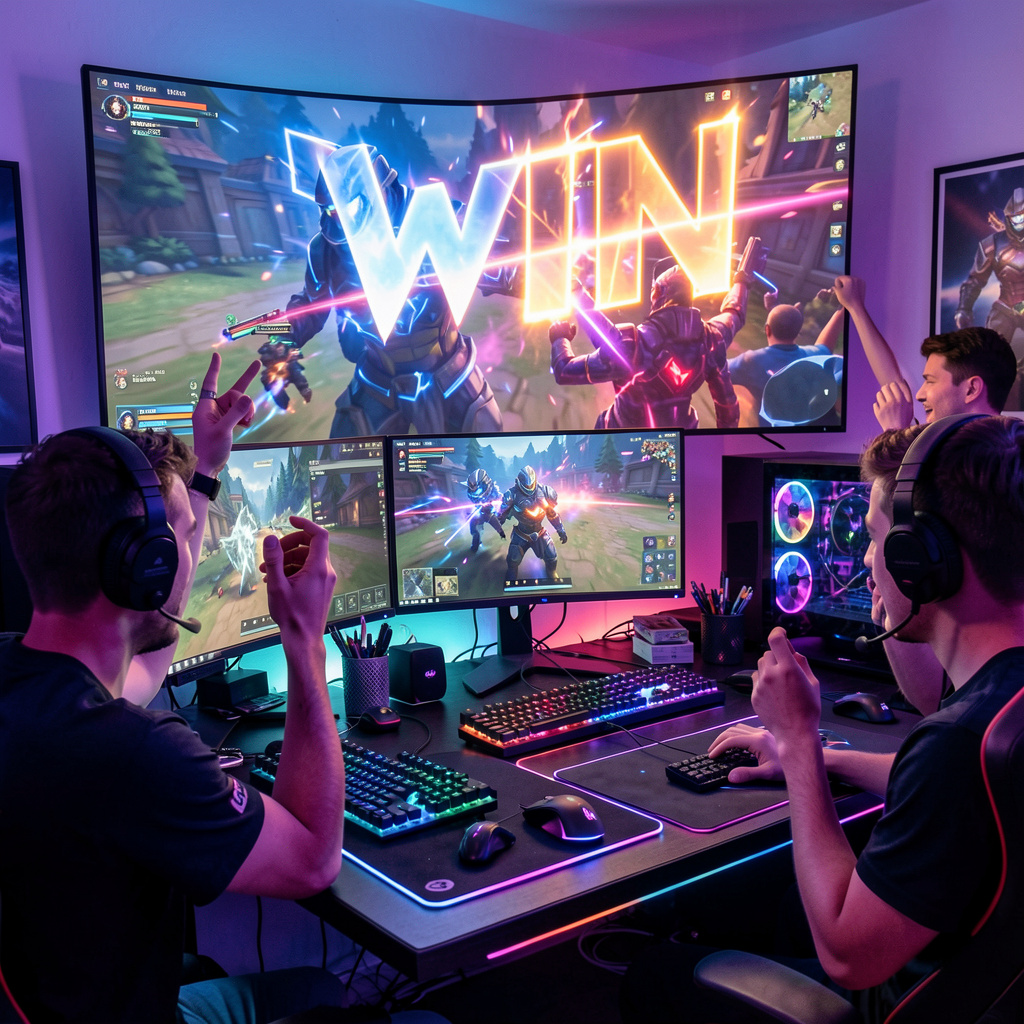
Building Teamwork Through Multiplayer Games
In today’s digital world, multiplayer games have become more than just a source of entertainment. They are powerful tools for communication, cooperation, and teamwork. Unlike single-player games, multiplayer games require people to interact with others to achieve common goals. Whether players are competing in teams or working together to complete missions, success often depends on collaboration. As a result, multiplayer gaming has become an effective way to build teamwork skills that are useful not only in games but also in real life.
Understanding Multiplayer Games
Multiplayer games are video games that allow two or more players to participate at the same time. These games can be played online or locally and often involve teamwork, strategy, and shared objectives. Players may take on different roles, each contributing to the success of the group.
Because of this structure, multiplayer games encourage cooperation rather than individual performance alone. Winning usually depends on how well players communicate and support one another. This creates a strong foundation for teamwork.
Communication Skills
One of the most important aspects of teamwork is communication. In multiplayer games, players must constantly share information with their teammates. They discuss strategies, warn others about dangers, and give instructions during gameplay.
This regular communication helps players become clearer and more confident speakers. They learn how to express ideas quickly and listen carefully to others. Good communication reduces confusion and improves group performance. These skills are also valuable in school projects, workplaces, and everyday situations.
Cooperation and Shared Goals
Multiplayer games often give players a common goal, such as winning a match, completing a mission, or defending a base. To achieve this goal, everyone must work together. Each player has a specific responsibility, and the team succeeds only when all members cooperate.
This teaches players the importance of helping one another and putting the team’s needs first. Instead of focusing only on personal success, players learn to support their teammates. This sense of cooperation strengthens bonds and builds trust within the group.
Leadership and Responsibility
Many multiplayer games require leaders who guide the team and make important decisions. Some players take charge by planning strategies or assigning tasks. This helps develop leadership skills and confidence.
At the same time, every player learns responsibility. If one person does not perform their role properly, the entire team may lose. This encourages players to stay focused and contribute their best effort. Learning accountability through games prepares individuals for leadership roles in real life.
Problem-Solving as a Team
Multiplayer games often present challenges that cannot be solved alone. Teams must think together to overcome obstacles or defeat strong opponents. This requires brainstorming ideas, testing strategies, and adapting to new situations.
Working through problems as a group improves critical thinking and creativity. Players learn that combining different perspectives often leads to better solutions. These experiences teach the value of teamwork when facing difficult tasks.
Building Trust and Friendships
Trust is a key part of successful teamwork. In multiplayer games, players depend on one another for protection, support, and success. Over time, this dependence builds trust and understanding.
As players spend time together, they often form strong friendships. Sharing victories and defeats creates emotional connections. These bonds make teamwork more enjoyable and meaningful. For many people, gaming communities become places where they feel supported and included.
Applying Teamwork Skills in Real Life
The teamwork skills developed through multiplayer games are useful beyond the gaming world. Communication, cooperation, leadership, and problem-solving are important in classrooms, workplaces, and sports teams. Students who play multiplayer games may find it easier to work on group assignments. Adults may apply these skills in professional settings.Visit toto online for more details.
Thus, multiplayer games provide practical experiences that prepare players for real-world collaboration. They show that teamwork is often the key to success.
Challenges and Balance
Although multiplayer gaming offers many benefits, it is important to maintain balance. Spending too much time gaming can lead to health or academic problems. Players should manage their time wisely and ensure that gaming does not interfere with other responsibilities.
When played in moderation and in a positive environment, multiplayer games can be both fun and educational. Responsible gaming allows players to enjoy the benefits without negative effects.
Conclusion
In conclusion, multiplayer games are more than just entertainment—they are valuable tools for building teamwork. Through communication, cooperation, leadership, and shared problem-solving, players develop important social and practical skills. These skills can be applied in many areas of life, making multiplayer gaming both enjoyable and beneficial. When approached responsibly, multiplayer games can help individuals grow as team players and strengthen their ability to work successfully with others.